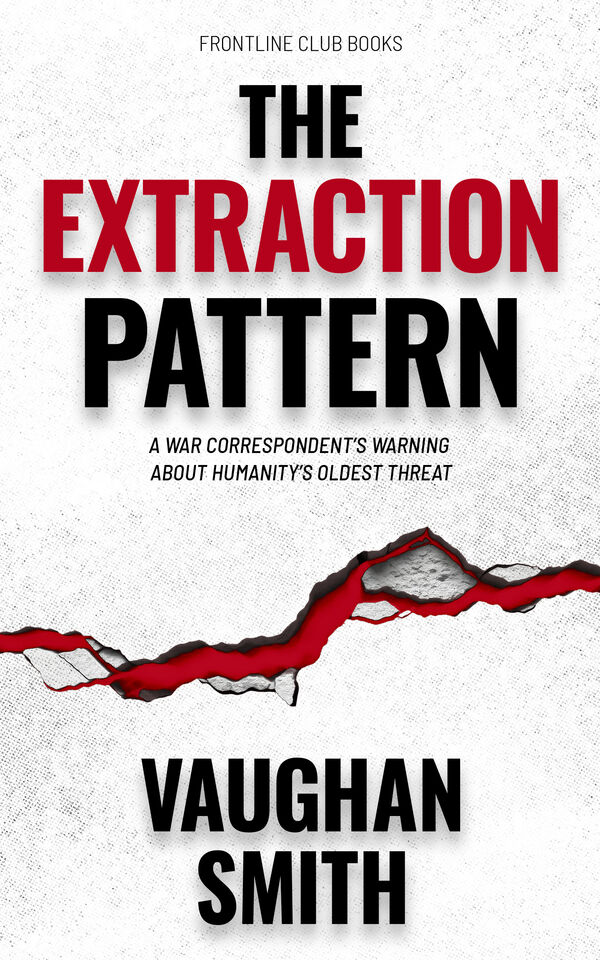
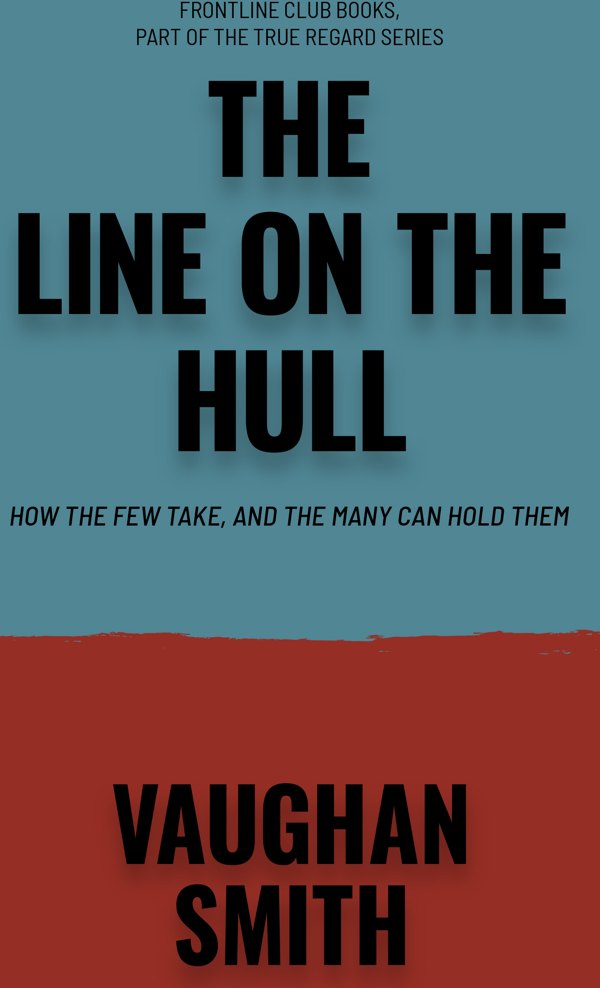
For 200,000 years, every village on earth contained the extraction pattern. Someone watched. The community remembered. Reputation followed you and the architecture worked – not through genius but through attention.
Then industrial scale broke it. We lost the practice and forgot the words.
Now modern neuroscience is confirming what the villages knew. Twenty-five years of cluster B research and the neuroscience of empathy are showing us where our vulnerability lies – and where our strengths are.
Sign up for free recognition tools, practical guides and the resources the system doesn't provide – including the most comprehensive family court survival guide available in the UK.
Subscribe freeFree. No spam. Unsubscribe anytime.
Approximately five per cent of the population carry the extraction pattern – the same neural hardware everyone has, differently configured. For 200,000 years, villages contained this through proximity. Everyone knew everyone. Reputation followed you. The community remembered what individuals forgot.
Then industrial anonymity broke the mechanism. The young man who would never have been trusted with the grain store moved to Manchester and could cheat someone he'd never see again.
Two centuries later, we have family courts that deliver children to danger, regulators captured by the industries they oversee, workplaces where a single toxic individual reduces team performance by 30–40 per cent and institutions that protect the pattern whilst punishing the people who see it.
The same neural architecture that makes us cooperative makes us targetable. The neuroscience explains why. And it shows that recognition can be trained.
Vaughan Smith – journalist, founder of the Frontline Club – spent thirty years watching institutions fail the people they were supposed to protect. He built the framework: the containment architecture, the pattern recognition, the argument for why villages worked and industrial scale doesn't. He provides the regard – the watching, the protecting, the refusal to look away.
Katalin Gothard, M.D., Ph.D. – Professor of Physiology and Neuroscience at the University of Arizona, thirty years researching the neural basis of social behaviour, trust and empathy in primates – provides the true. Her research delivers the biological evidence for why the extraction pattern works, why the cooperative majority is vulnerable to it and why recognition can be trained.
One arrived from conflict journalism. The other from a childhood under Ceaușescu's dictatorship and a career investigating how the brain processes trust. They met in the same place. Books. A practical toolkit. A training programme. A research agenda on Defensive AI. Architecture, not blame.
The free guides on this site tell you what to do – how to recognise the pattern, how to protect yourself, how to navigate the systems that were supposed to help. The books explain why – why nothing works, why every institution fails the same way, why reform disappoints regardless of who governs and what 200,000 years of human history tells us about the architecture that could fix it.
The five per cent who design extraction. The ninety-five per cent who live inside it. The architecture that could contain it. From villages to Grenfell, from family courts to AI – how the pattern that shaped them stops with us.
June 2026
How the extraction pattern captured America's democracy, economy, healthcare, media and accountability – domain by domain, exposed with names and evidence.
July 2026
Manipulation Recognition and Assessment Training. Twenty free downloadable guides – the most comprehensive recognition and protection library available anywhere. Built from the book's evidence base, verified against peer-reviewed research.
MRAT is not a new invention. It is a recovery – the village watchfulness that contained the pattern for 200,000 years, lost to industrial anonymity, now rebuilt with the precision of twenty-five years of cluster B research and the neuroscience of empathy. You are not learning a new technique. You are recovering a lost one, now strengthened by science.
The Good Faith Problem. Recognising Covert Narcissism. Understand what is happening and why your trust was targeted.
Waking Up. Managing the Pattern. Personal Protection Toolkit. Practical counters to every tactic – with specific phrases and evidence tools.
The Family Court Survival Guide. When It's Your Workplace. When It's Your Parent. Wherever the pattern appears, a guide meets you there.
Toolkits for HR, legal, education and therapeutic professionals. The tools the professions should have but don't.
In every village, for 200,000 years, there was a figure who held the community's long memory. She had been watching for decades. She knew who could be trusted with the grain store and who couldn't. She could validate your perception when you doubted yourself – because she remembered what the community had seen and what individuals had forgotten.
The book calls her the grandmother. The pattern's entire toolkit evolved to defeat her. Industrial anonymity finished the job – you can't watch someone who moved to a city where nobody knows their name.
Every person who joins this list rebuilds her.
True regards,
Vaughan Smith
The books. The guides. The toolkits. The movement. Sign up and be first.
Subscribe freeFree. No spam. Unsubscribe anytime.